How to Anchor a Kayak for Fishing
Grapnel or no anchor at all, how much rope, why a trolley matters more than the anchor, and the one way of anchoring a kayak that can flip it.
By Augustus Muse · Published November 4, 2026
A kayak that's drifting past the fish at two knots is a kayak that's barely fishing. Anchoring fixes that, and it's also the one piece of kayak fishing where a cheap mistake can put you in the water.
So this guide starts with the dangerous part, then gets to what to buy.
Why should you never anchor a kayak from the side?
Current and wind push on the whole length of the boat. If the anchor line is tied off at the side, the kayak turns broadside to the flow, the water piles up against the upstream edge, and a sit-on-top can roll in a surprisingly gentle current. In a tidal channel it can happen fast.
Anchor from the bow or the stern, so the boat points into the flow and the water runs past it instead of into it. Everything else in this guide is secondary to that.
And carry a knife where you can reach it one-handed. If the anchor fouls and the current is loading the boat, you cut the line. Rope is cheap.
What size anchor does a kayak need?
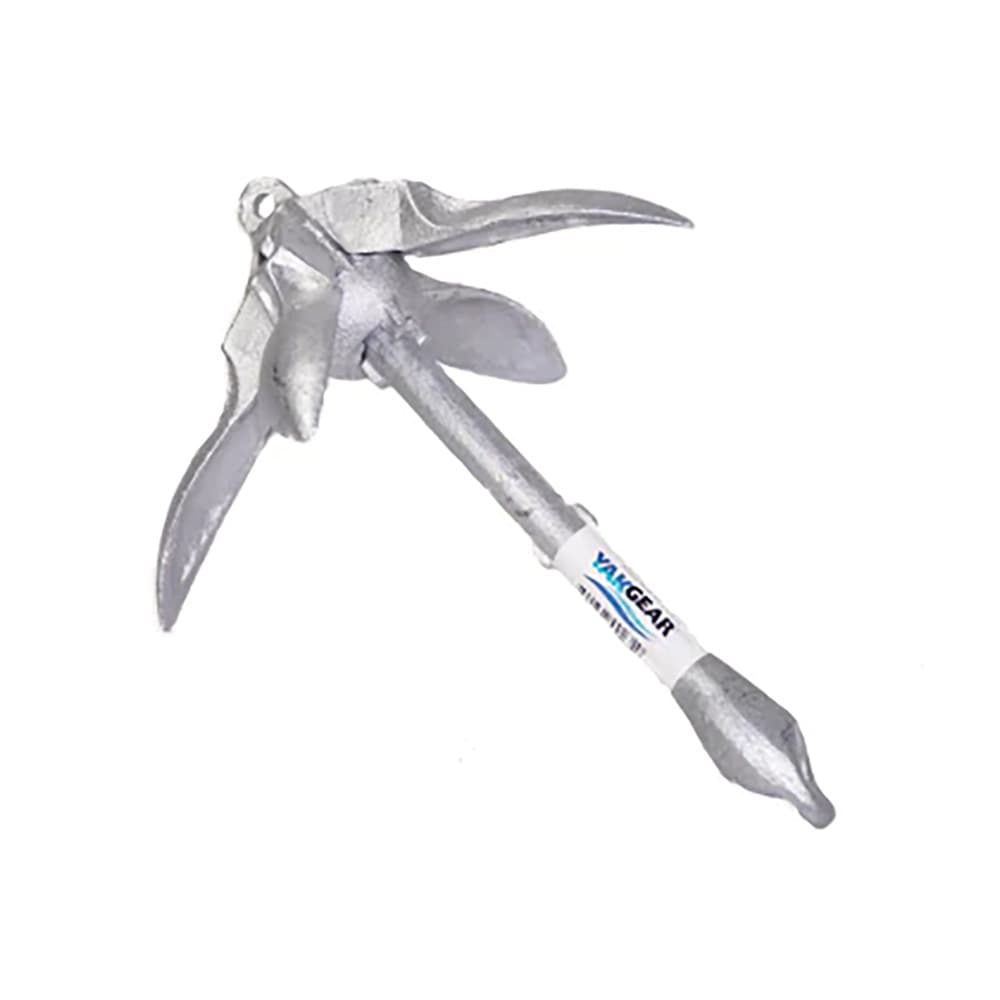
Less than you'd think. A kayak weighs a few hundred pounds with you in it and sits high in the water, so a 3 to 4 lb folding grapnel holds a typical fishing kayak in moderate current over a reef, a rock pile or a drop-off, which is most of where you'd want to stop.
The grapnel's folding tines dig into rock and rubble, which is why it's the kayak standard. Over clean sand it's weaker than a fluke anchor of the same weight, but a fluke doesn't fold, and a thing you can't stow on a kayak is a thing you leave in the garage.
If you fish strong tidal current regularly, go heavier, or don't anchor at all and drift. More on that below.
How much anchor line do you need?
The rule is scope: the length of line out should be several times the depth of water, because a line that pulls along the bottom holds and a line that pulls up at a steep angle drags. Three to one is the practical minimum in calm water, five to one or more in current. For fishing in twenty feet of water, that's 60 to 100 feet of line.
A small float on the end of the line is worth having. If you need to let go of the anchor to deal with a fish or a wave, the float marks it and you come back for it.
Kits that come with the anchor, line, float and a bag are the sensible way to buy this, because a loose grapnel in the hull is a set of hooks looking for something to catch.
What is an anchor trolley and do you need one?
An anchor trolley is a loop of cord running along one side of the kayak, bow to stern, with a ring on it. The anchor line runs through the ring. Slide the ring to the bow and you're anchored from the bow; slide it to the stern and you're anchored from the stern. You never have to reach past the ends of the boat, and you never anchor from the side.
Given what the first section says, yes, you need one, or you need to be very disciplined about running the line to the bow by hand. The trolley is the piece that makes anchoring from a seated position safe and repeatable, which is why experienced kayak anglers will tell you to buy the trolley before the anchor.
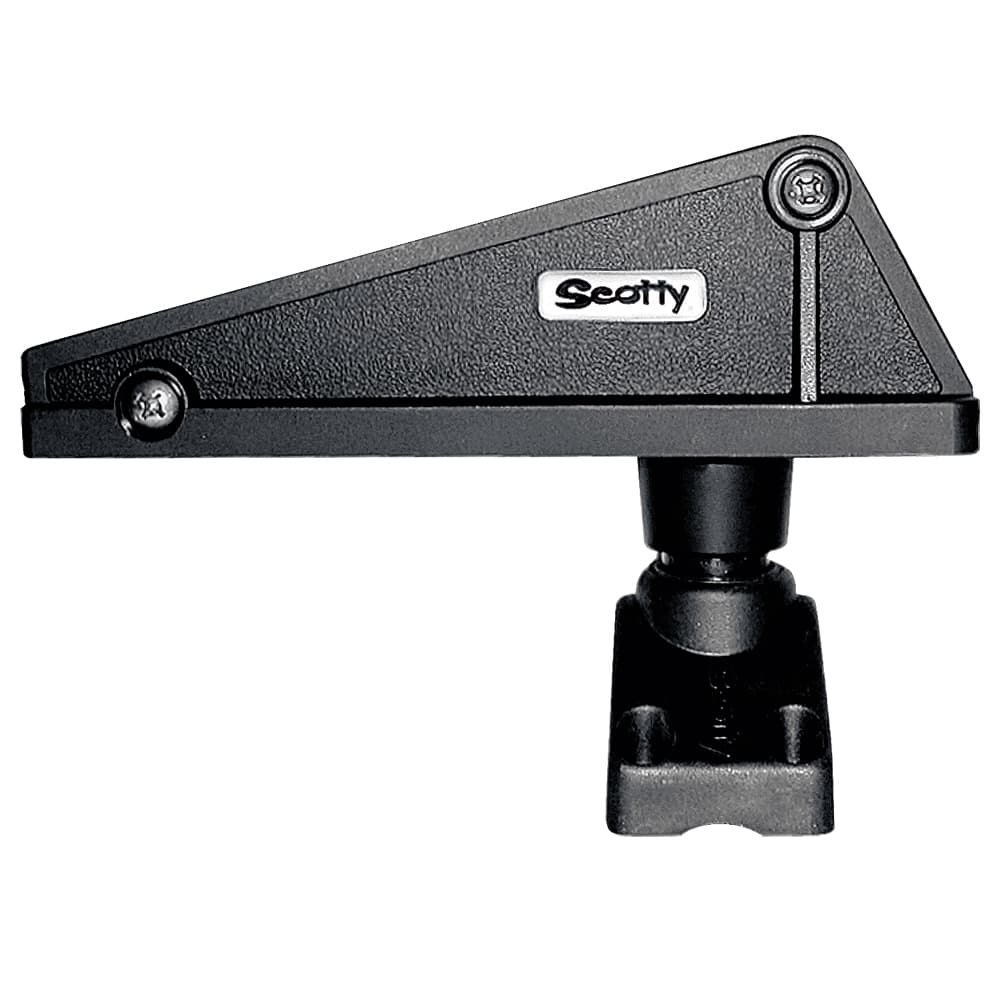
We don't stock a trolley kit. They're a few pulleys, some cord and a ring, and any kayak shop has them. What we do stock is the part that goes with it: a cleat that lets you pay out line, lock it and release it with one hand.
When is it better not to anchor at all?
Often. Drifting with the current covers water and presents a bait naturally, which is how a lot of kayak fishing gets done. A drift sock, a small parachute on a line, slows the drift to a fishable speed without stopping you. We don't sell one, but if you fish open water more than structure, it's a more useful purchase than an anchor.
A stakeout pole, a pole pushed into the bottom in water shallower than about six feet, is quicker than an anchor and silent, which matters on a flat. Again, not something we stock.
Where the anchor wins is holding over a specific spot in depth, a reef edge or a channel drop, for as long as the bite lasts. That's what the grapnel is for.
What else should be on the kayak before you anchor?
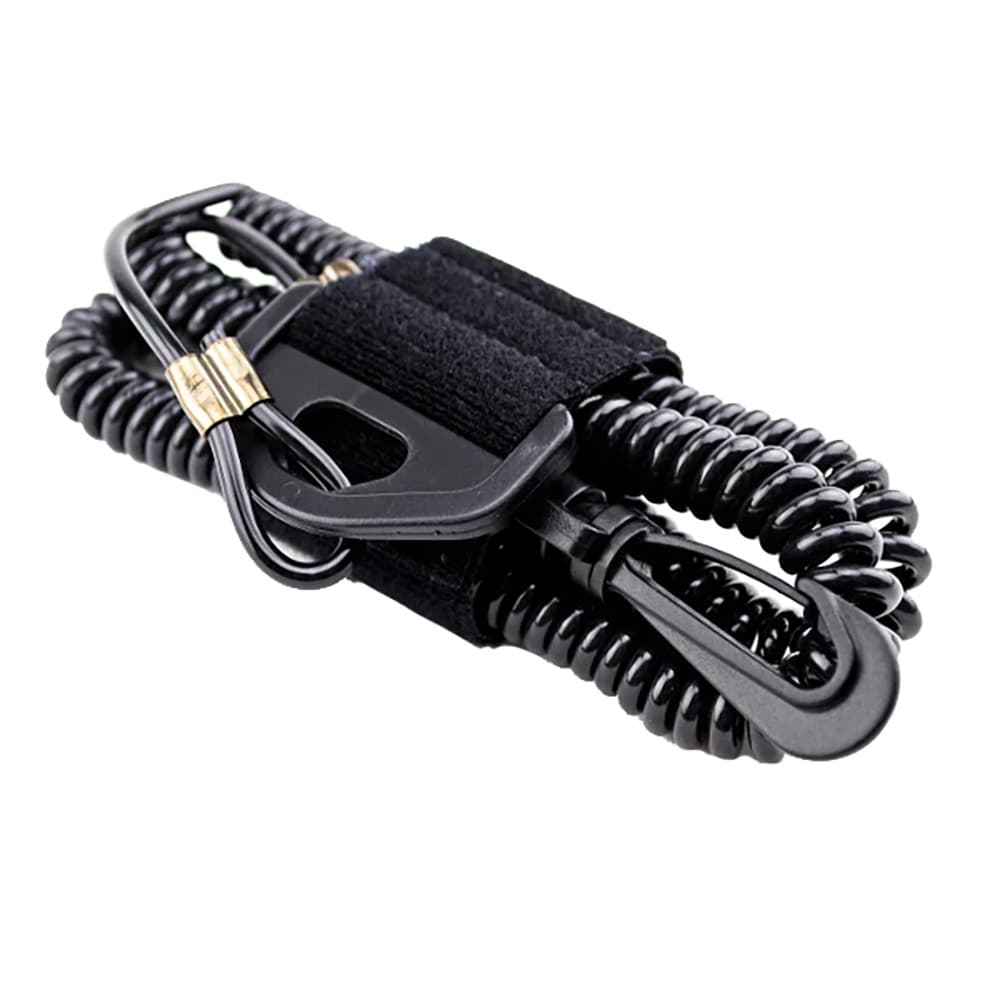
A paddle leash, because the moment you take both hands off the paddle to handle an anchor line is the moment it goes over the side. A leash costs less than lunch and removes the swim.
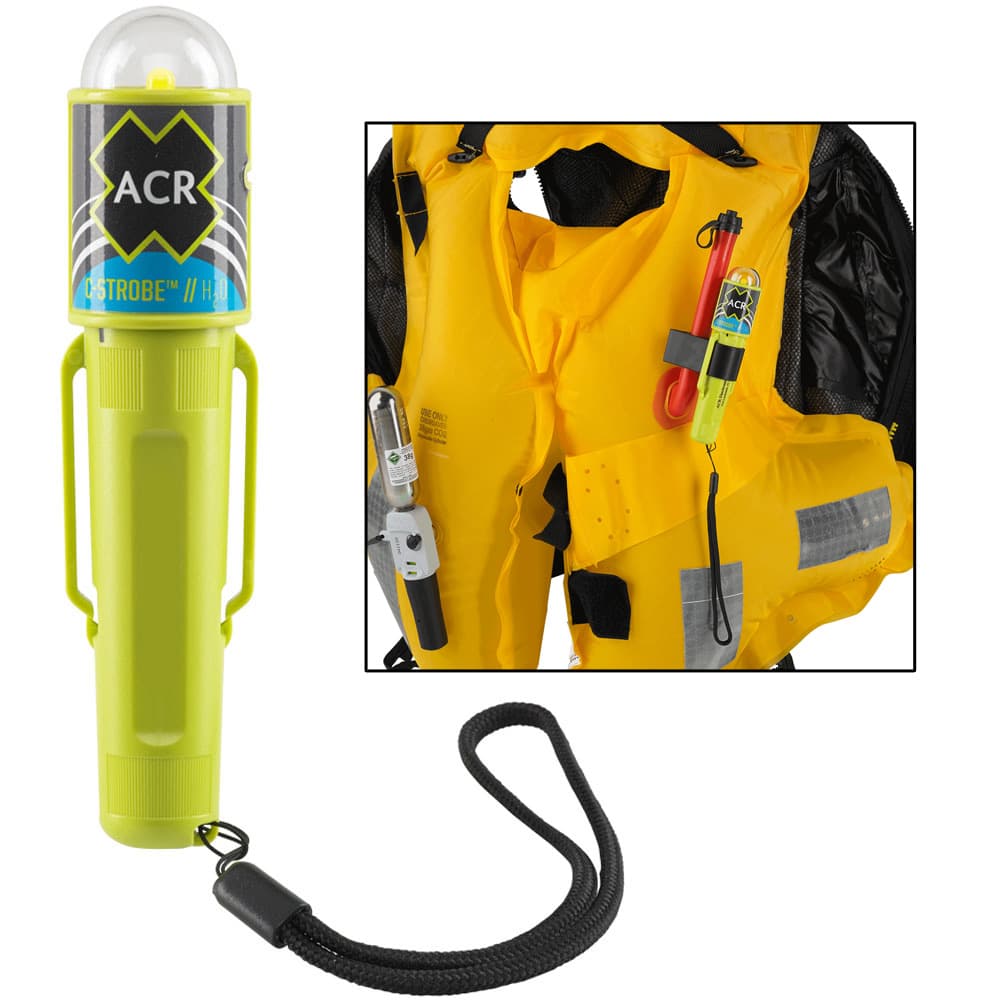
Something that makes you findable if you go in. A water-activated strobe clipped to your PFD switches itself on when it hits the water and makes you a flashing light rather than a dark head in the chop. If you fish dawn, dusk or any distance offshore, it's not optional.
Common questions
- Can you anchor a kayak in the surf?
- Don't. Breaking waves load an anchored boat hard and from behind, and the line is a tether you can't get away from. Anchor outside the break or not at all.
- Will a 3.3 lb anchor hold a kayak?
- In moderate current over a bottom the tines can grip, yes, especially with enough scope out. In strong tidal flow or over hard-packed sand, it'll drag, and a heavier anchor or a decision to drift instead is the answer.
- Where do you attach the anchor on a sit-on-top?
- To the bow or stern, ideally through an anchor trolley so you can shift between them from your seat. Never to a side handle or a side-mounted cleat on its own.