How to Keep a Fish Fresh: Bleed It, Ice It, Eat It
Most fish that tastes muddy or mushy was ruined in the first ten minutes on the beach, not in the kitchen. Here's what to do the moment you decide to keep one.
By Augustus Muse · Published August 25, 2026
The difference between a fish that tastes clean and one that tastes like the bottom of a bucket is almost never the cooking. It's what happened in the first ten minutes after it came out of the water.
This is the part of fishing nobody teaches beginners, and it's the part that experienced anglers do without thinking.
Should you bleed a fish?
If you're keeping it, yes, and do it straight away while the heart's still pumping. Blood left in the flesh is what turns it dark, strong-tasting and quick to spoil.
Cut through the gill arches on one side, or make a cut just behind the pectoral fin, then put the fish head down in a bucket of seawater for a couple of minutes. The heart does the work for you. A fish bled in the first minute empties out properly; one bled ten minutes later barely bleeds at all.
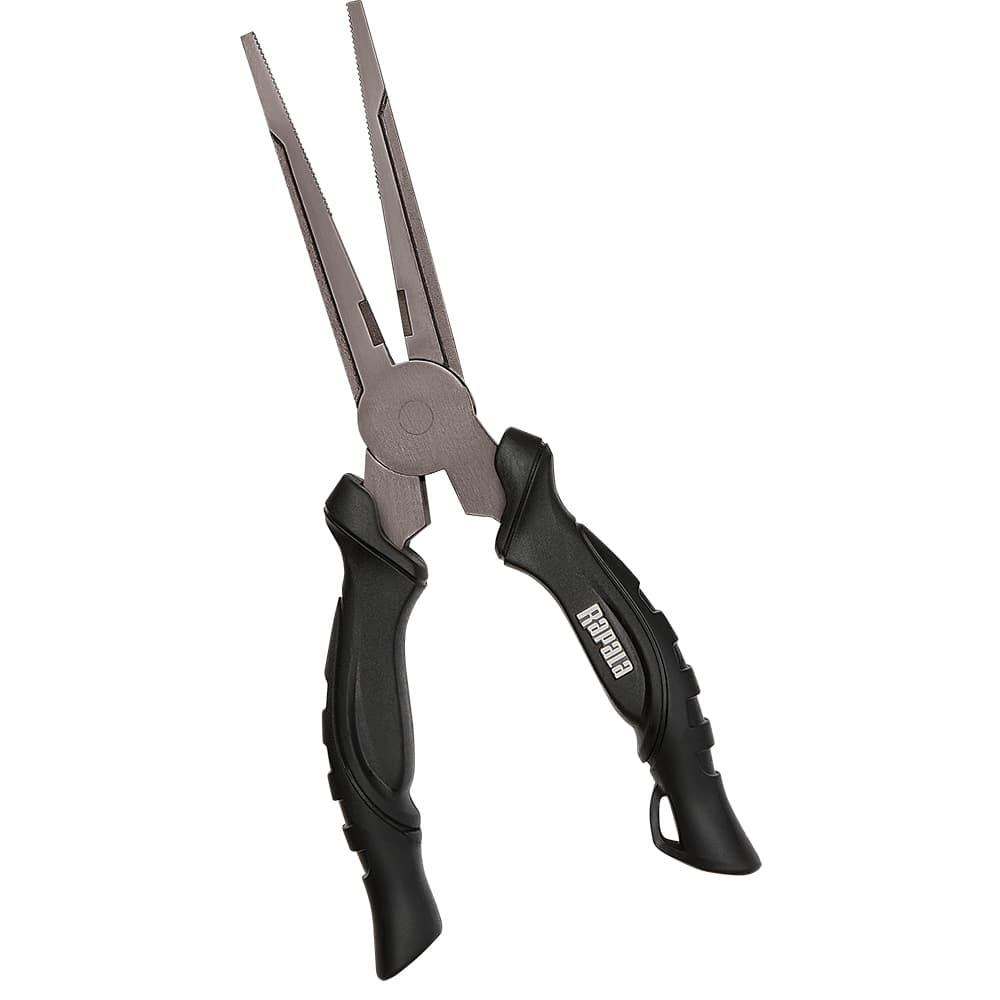
You need something sharp and something to hold the fish with. Bleeding a live fish with a blunt knife and bare hands is how people end up in urgent care.
What's the fastest way to cool a fish?
An ice slurry, which is ice and seawater mixed to a slush. Not dry ice in a bag, not a fish laid on top of a block.
The reason is contact. Slurry touches every surface of the fish at once and pulls the temperature down in minutes. Dry ice in a cooler chills the fish nearest it and leaves the rest sitting in its own warmth, which is exactly where spoilage starts.
Aim to get the fish cold within minutes of bleeding it, not at the end of the session when you pack up. On a warm beach the difference is enormous.
How long does fish keep on ice?
Properly bled and held in slurry, a day or two comfortably, and that's a whole fish rather than fillets. Once you've cut it, you're on a shorter clock.
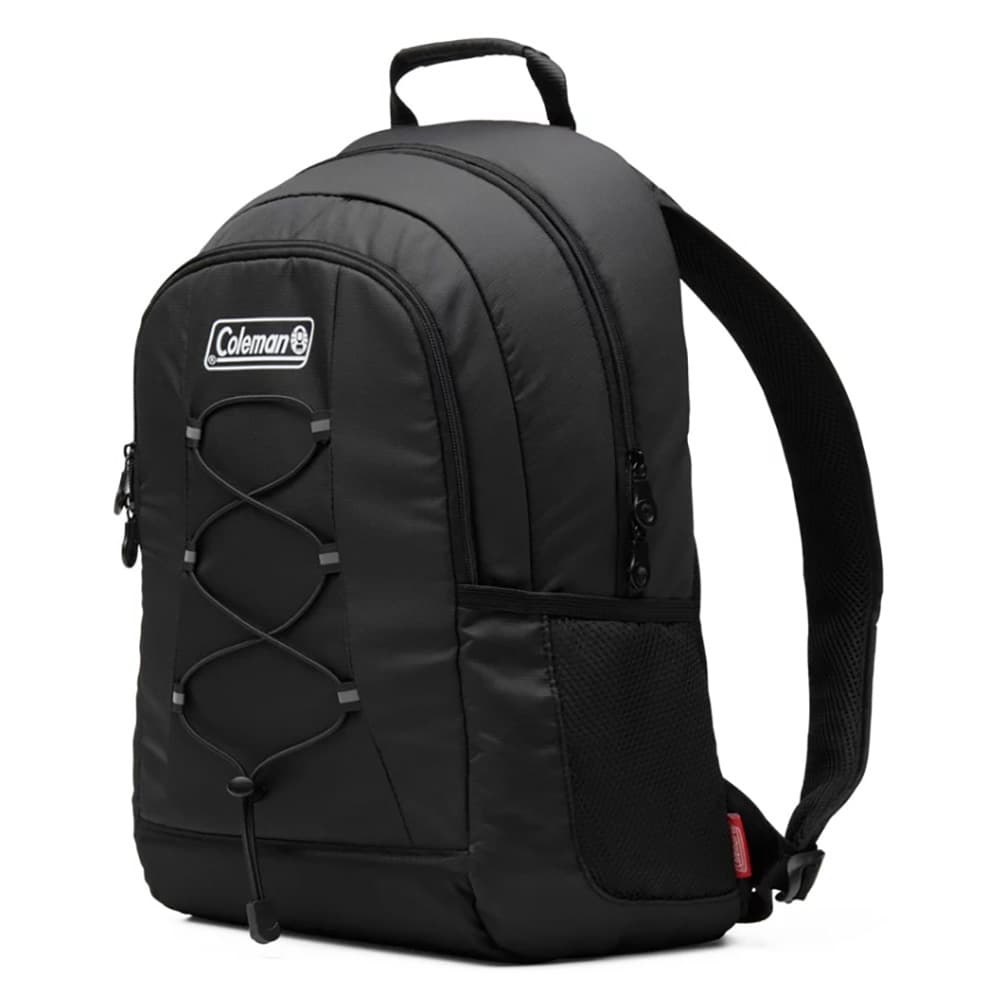
Keep it drained though. A fish sitting in a bath of meltwater goes soft and waterlogged, so a cooler with the plug cracked open, or a rack that keeps it above the water, is better than a sealed bucket of slush.
How should you handle a fish you're releasing?
Opposite of everything above. Wet your hands first, because dry hands strip the slime coat that protects it from infection. Keep it in the water if you can, support its weight rather than hanging it by the jaw, and get the hook out fast.
If it's hooked deep, cut the leader and leave the hook rather than digging for it. A hook rusts out; a torn throat doesn't heal.
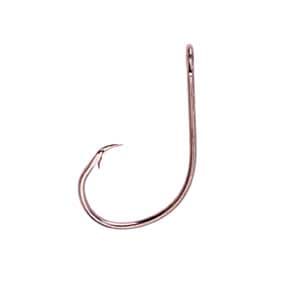
This is where circle hooks earn their keep. They catch in the jaw corner instead of the gut, so the fish you didn't plan to keep goes back with a real chance.
One thing worth knowing before you keep anything
Some fish carry consumption advisories, and they vary by species, by water body and sometimes by who's eating them. That's a public health matter and it changes.
Check your state's current advisories for where you're fishing rather than assuming. Size and bag limits are your responsibility too.
Common questions
- Do you have to bleed fish right away?
- As close to immediately as you can manage. The heart is what pushes the blood out, so bleeding in the first minute empties the fish properly. Wait ten minutes and you'll barely get anything.
- Is an ice slurry better than ice?
- Much. Slurry contacts the whole fish at once and cools it in minutes. Ice on its own only chills what it touches, leaving the rest warm.
- Should I gut a fish on the beach?
- If you can do it cleanly and get it on ice, gutting early helps, since the guts are where spoilage starts. Check local rules on cleaning fish where you are, and never leave the waste on the sand.