Best Line for Surf Fishing: Braid, Mono and Leader
Braid or mono for the mainline, what pound test you actually need, what the leader is really for, and when a shock leader stops being optional.
By Augustus Muse · Published August 25, 2026
Your line is the only thing physically connecting you to a fish two hundred feet away. It's also the cheapest part of the setup to get right and the most expensive to get wrong, because nothing else on the rod matters the moment it parts.
Should you use braid or mono for surf fishing?
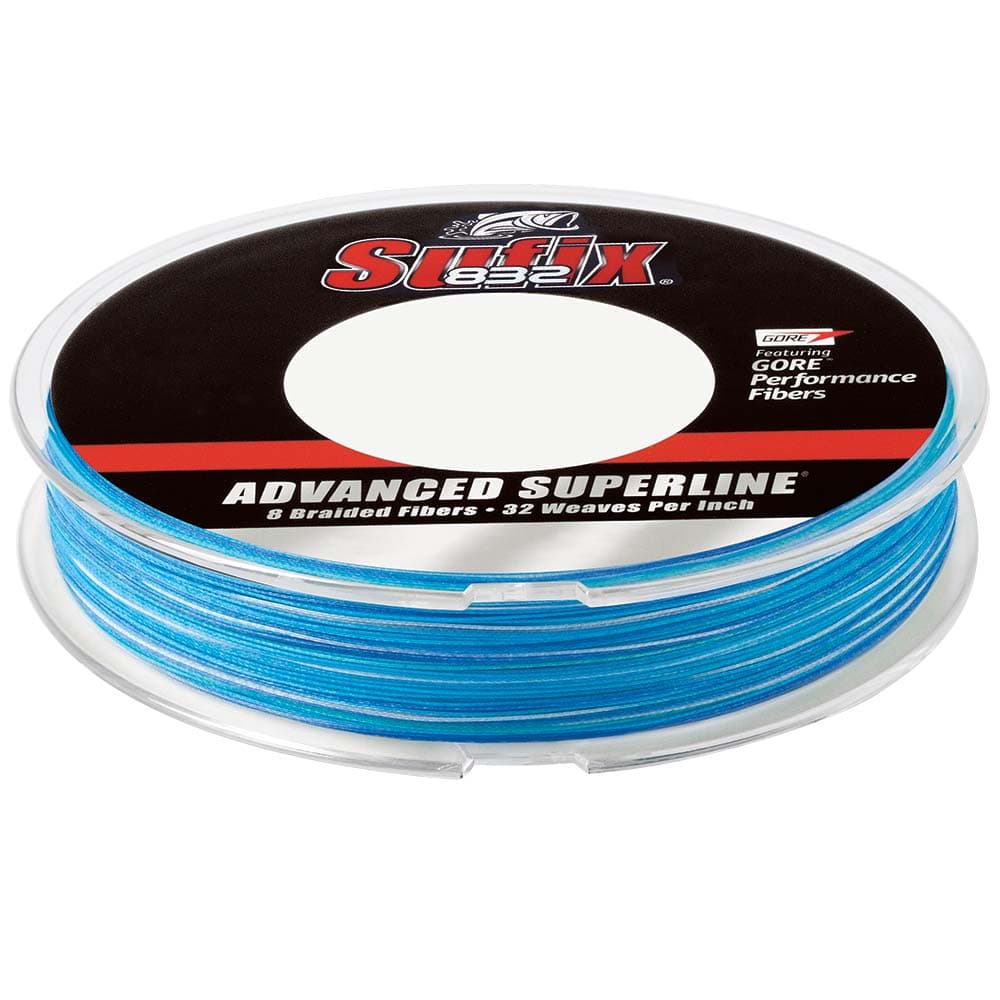
Braid, in almost every case, and the reason is stretch. Braid has effectively none. At surf distances that's the whole argument: two hundred feet of mono stretches enough that a gentle bite arrives at your hand as nothing at all, and your hookset arrives at the fish as a polite suggestion. With braid you feel the sinker tap bottom and you feel a fish breathe on the bait.
It's also much thinner for the same strength, so you fit more on the spool, the current pushes it around less, and you cast further for the same effort.
The tradeoffs are real though. Braid has almost no abrasion resistance, so it won't survive rock or shell, which is exactly why you tie a leader to it. It's highly visible in clear water, same reason. And because it doesn't stretch, a hard cast or a sudden snag has nowhere to dump that shock, so something else in the system absorbs it.
What pound test line for surf fishing?
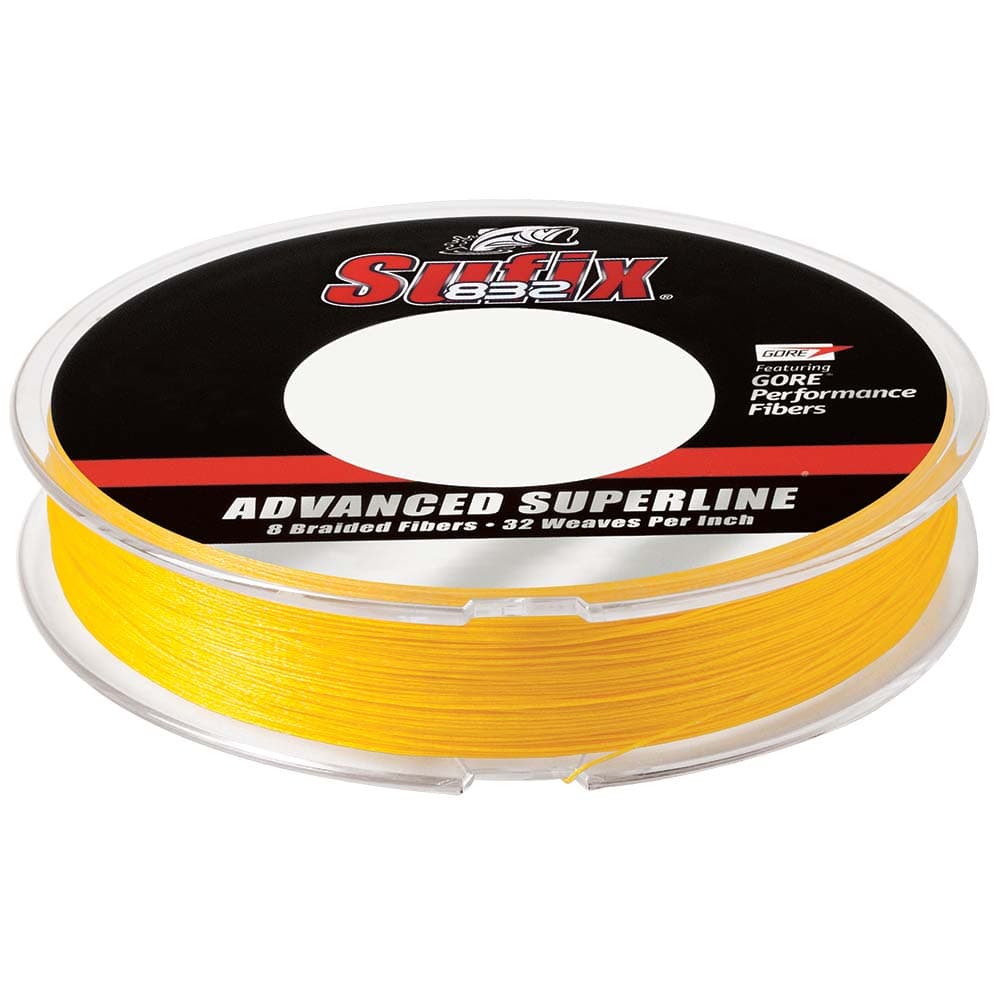
Most people fish heavier than they need to. Twenty pound braid already breaks well above what a rod rated 10 to 20 lb can even apply, and going heavier doesn't make you stronger. It just means that when something has to give, the weakest link is no longer your line. It's your rod.
Hi-vis is worth thinking about for the mainline. Seeing where your line sits in the wash tells you what the current's doing to your rig, and you'll often spot a bite as a change in the line before you feel it. The fish is looking at your leader, not your mainline.
| What you're fishing | Braid | Why |
|---|---|---|
| Light surf, perch, small structure fish | 10 to 15 lb | Thinner line, longer casts, still plenty for the fish |
| General beach fishing | 20 lb | The sensible default, handles a surprise |
| Heavy surf, big baits, rough ground | 30 lb and up | Abrasion, and the size of what might turn up |
What is a leader for, and what size?
A leader isn't just a continuation of your mainline in a different strength. It's there for two jobs: to be invisible where the fish is looking, and to survive contact with things that would cut braid instantly.
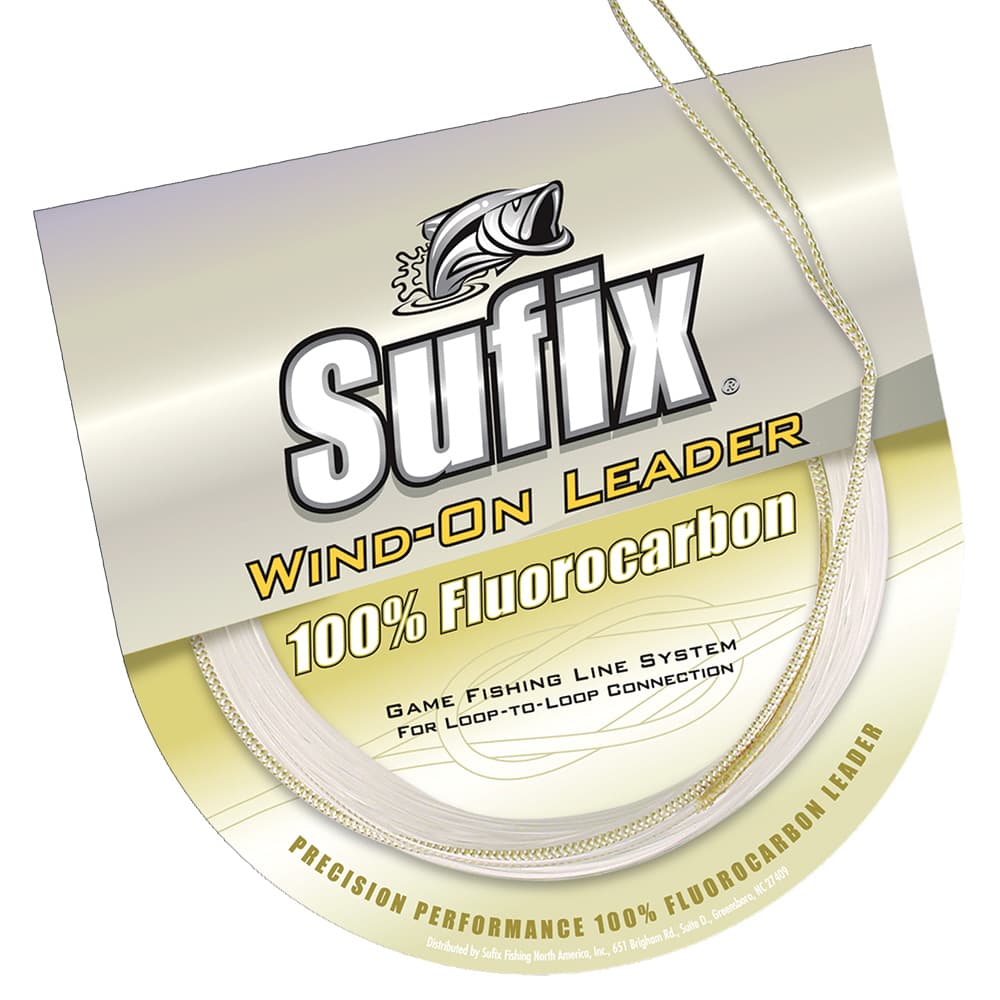
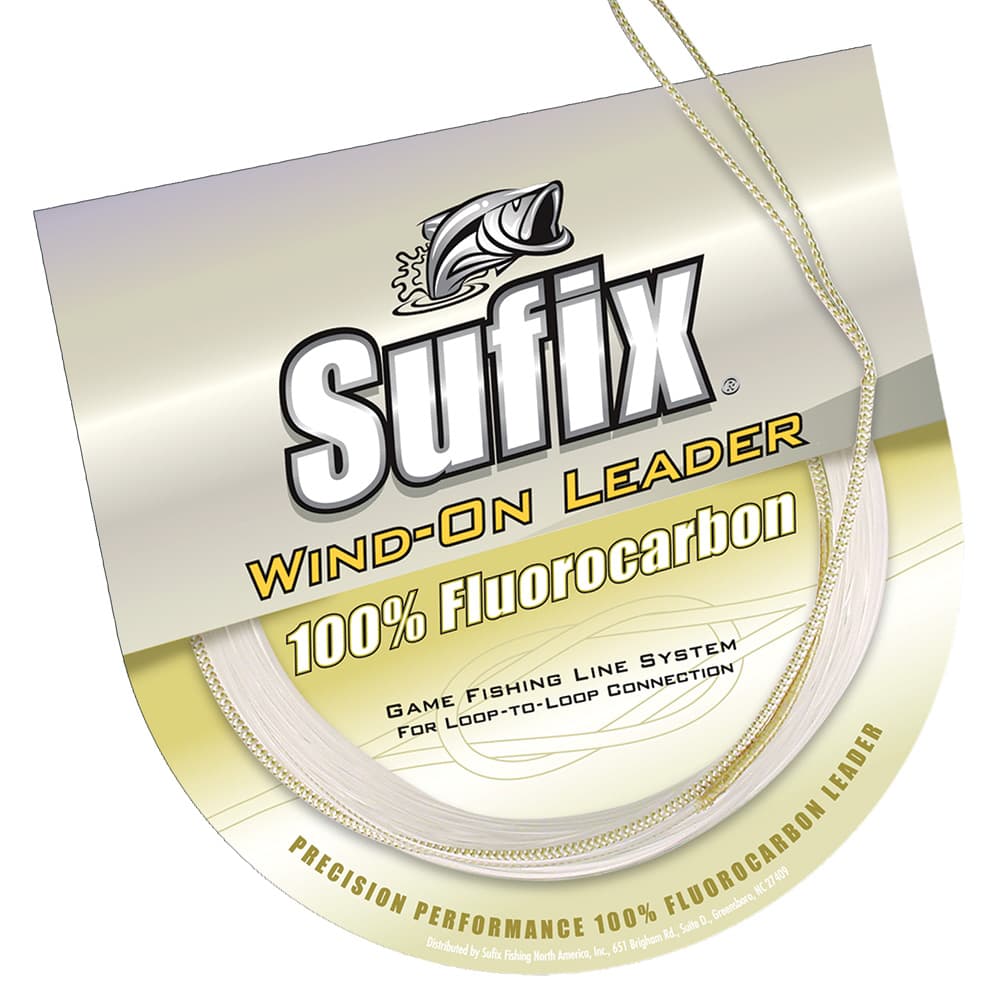
Fluorocarbon has a refractive index close to water, which is the technical way of saying it's hard to see. It's also stiffer and takes more abrasion than mono. For surf work, 20 to 40 lb covers most fish over sand. Step up over rock, and step up again if there's anything with teeth around.
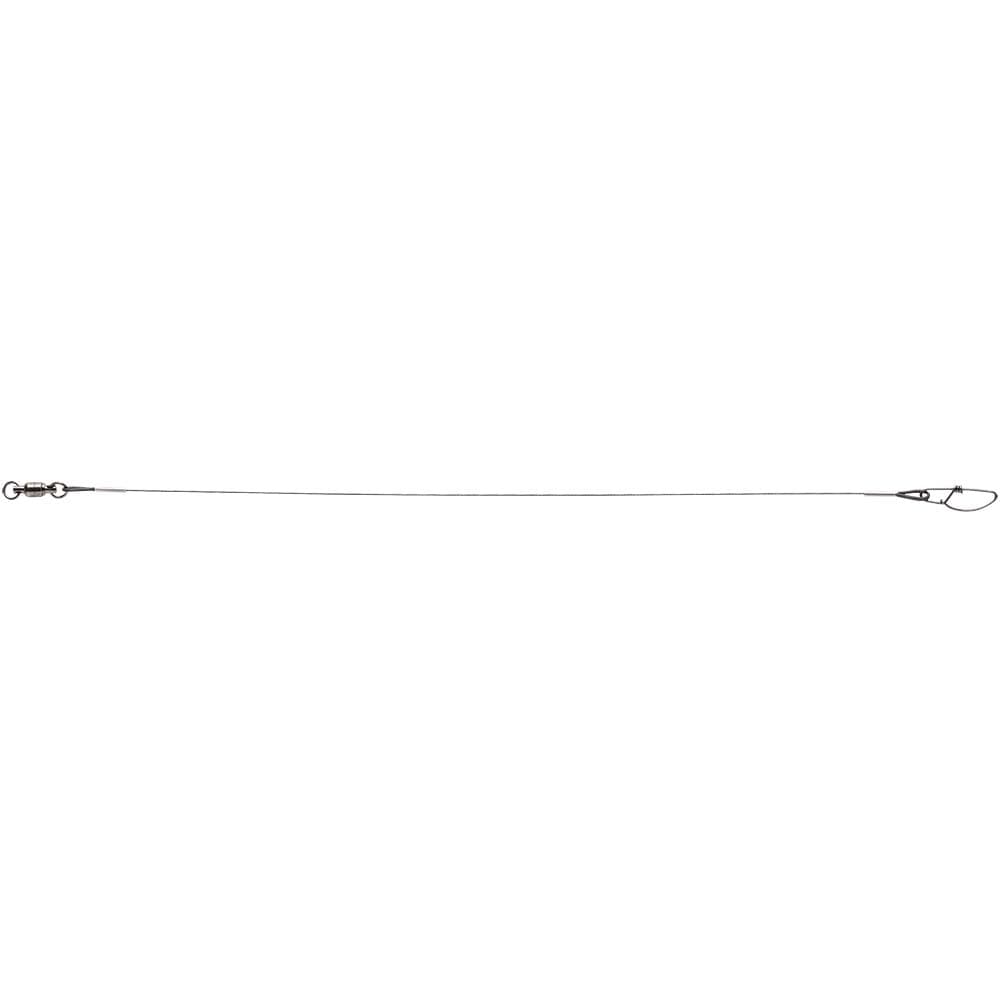
For genuinely toothy fish, no mono or fluoro will do the job. That's what wire is for.
When do you need a shock leader?
A shock leader is a length of heavier line between braid and rig, long enough that you've got five or six turns on the spool as you start the cast. Its job is to absorb the enormous instant load of launching several ounces of lead, so your mainline doesn't part mid-cast and send a sinker somewhere it shouldn't go.
Rule of thumb is about 10 lb of shock leader per ounce of lead. Three ounces wants 30 lb, five ounces wants 50 lb. That's a guideline that's kept surfcasters safe for decades, not a precise engineering figure.
Under about 3 oz on a rod rated for it, you can usually skip a dedicated shock leader, because your rig leader is already covering it. Above that, or any time you're properly leaning into a cast, tie one. A sinker that lets go mid-cast on a busy beach is the one genuinely dangerous failure in surf fishing.
Common questions
- How much braid do I need on a surf reel?
- Fill to about an eighth of an inch below the spool lip. Underfilling costs you distance, and overfilling is the single most common cause of wind knots on a surf reel.
- Do I need mono backing under braid?
- On a big surf reel you're genuinely filling with 300 yards, usually not. On a smaller reel, backing saves you buying more braid than you'll ever cast and stops the braid slipping on a bare spool.
- How often should I change my line?
- Braid lasts seasons rather than trips, but the last twenty or thirty feet takes all the punishment. Cut back and retie your leader connection regularly, and once that section starts feeling fuzzy, cut off more.